

How to Stop Your Dog From Begging: Training That Actually Works
Learn proven techniques to stop your dog from begging at the table. Expert training support from Furever K9 in Loudoun County. Call (571) 600-6530.


Learn proven techniques to stop your dog from begging at the table. Expert training support from Furever K9 in Loudoun County. Call (571) 600-6530.

Keep your dog safe during hot Northern Virginia summers. Expert heat prevention, hydration tips, and summer activity guidance from Furever K9.

Learn to recognize dog calming signals and body language to understand what your dog is communicating. Expert guidance from Furever K9 in Loudoun County. Call (571) 600-6530.
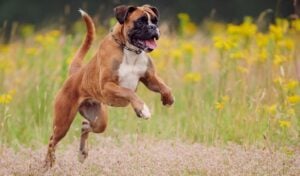
Learn proven ways to stop your dog from jumping on guests, with balanced, relationship-based training from Furever K9 in Loudoun County. Call (571) 600-6530.

Your dog is perfect at training sessions but falls apart at home. They’re calm when it’s just you but become reactive when the kids are running around. They settle easily in your bedroom but pace anxiously in the living room. You’re doing everything the trainer said, but your home environment seems to be sabotaging every bit of progress. Here is what frustrated owners often fail to realize: Your dog’s behavior isn’t happening in a vacuum. The chaos level in your household, the predictability of your schedule, the amount of visual stimulation from windows, and even where your dog sleeps—all of these environmental factors shape behavior as powerfully as any training technique you apply. I’m Lauren White, and at Furever K9 Resort & Training Center in Leesburg, Virginia, I’ve worked with countless Loudoun County families whose training efforts failed. It wasn’t because they had bad dogs or poor technique; it was because their home environment was working against them every single day. The transformation isn’t about moving to a quieter neighborhood or getting rid of your kids. It’s about understanding which specific environmental factors affect your individual dog and making strategic modifications that support the behaviors you’re trying to build. Sometimes, tiny environmental changes create breakthrough behavioral improvements that months of training alone couldn’t achieve. Why Does Your Home Environment Matter So Much for Dog Behavior? Dogs are incredibly sensitive to their surroundings in ways that constantly surprise owners who don’t realize how much environment influences behavior. How Does Environmental Chaos Affect Your Dog’s Nervous System? Unpredictable households keep dogs in constant low-level stress. When they never know when kids will run screaming through the house, when the doorbell might ring, or when someone will drop something loud in the kitchen, their nervous system can’t relax. That chronic stress baseline makes everything harder. Dogs in

Expert strategies for managing prey drive and stopping unwanted chasing behavior in dogs. Safe, effective training from Furever K9 in Loudoun County.

Help for fearful, shy and anxious dogs. Furever K9 builds confidence through trust, structure and clear guidance. Leesburg, VA
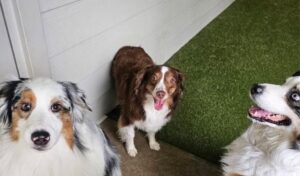
Compare Board & Train and Private Dog Training to find the best fit for your dog. Expert guidance from Furever K9 in Loudoun County. Call (571) 600-6530.
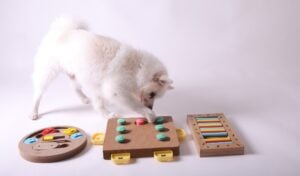
Discover why mental stimulation is crucial for your dog’s behavior and well-being. Expert enrichment activities from Furever K9 in Loudoun County
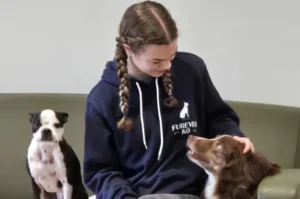
Managing canine stress effectively is crucial for pet wellbeing. Learn professional insights and techniques from experts at Furever K9, LLC for a happier dog.