
Understanding the root causes of marking behavior is the first step toward creating a peaceful, odor-free home. Dogs don’t mark indoors out of spite or to punish you. Instead, this behavior stems from complex psychological and physiological factors that, once understood, can be effectively addressed through proper training and environmental management.
Indoor marking behavior in dogs develops from a combination of territorial instincts, anxiety, and communication needs. Unlike simple accidents, marking is purposeful communication—your dog is leaving messages for other animals or expressing their emotional state through scent.
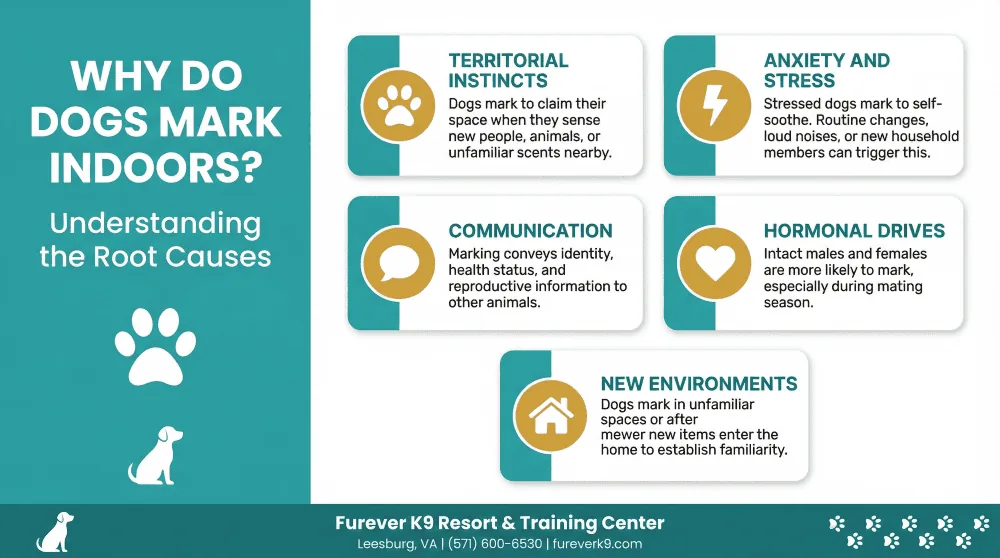
Dogs mark indoors for several key reasons. Territorial behavior drives many marking incidents, especially when dogs perceive threats to their space from new people, animals, or even unfamiliar scents. Anxiety also plays a significant role, as stressed dogs often mark to self-soothe or establish control over their environment.
Territorial marking intensifies when dogs feel their space is being invaded or challenged. New visitors, delivery people, or even the scent of other animals can trigger this response. Male dogs are particularly prone to marking behavior, though females can also exhibit this pattern.
Recent research reveals fascinating insights into canine behavior modification. A study published in Applied Animal Behaviour Science evaluating positive reinforcement training found that dogs who received structured training maintained better behavioral control and showed increased trainability. This research supports what experienced trainers have long observed: early, consistent training creates lasting behavioral foundations that help dogs manage their instincts, including the urge to mark indoors.
Anxiety-driven marking often occurs during times of stress or change. Common triggers include separation anxiety, loud noises, schedule disruptions, or household changes. Dogs experiencing anxiety may mark more frequently as a coping mechanism, seeking comfort through familiar scents. When a dog feels insecure in their environment, marking serves as a self-soothing behavior that surrounds them with their own familiar odor.
Identifying marking behavior early allows for more effective intervention before the pattern becomes deeply ingrained. Unlike regular urination, marking involves specific behavioral sequences that observant owners can learn to recognize.
Watch for these telltale signs that marking is imminent:
| Behavioral Sign | Description | What to Watch For |
|---|---|---|
| Sniffing and Circling | Dogs intensely investigate areas before marking | Focused attention on vertical surfaces, corners, furniture legs |
| Leg Lifting (Males) | Typical male marking posture | Lifting leg higher than normal urination, targeting specific spots |
| Frequent Small Urinations | Multiple small deposits in short timeframe | Small amounts of urine, not full bladder emptying |
| Territory Investigation | Checking areas where other animals have been | Concentrated sniffing of doorways, visitor areas, new items |
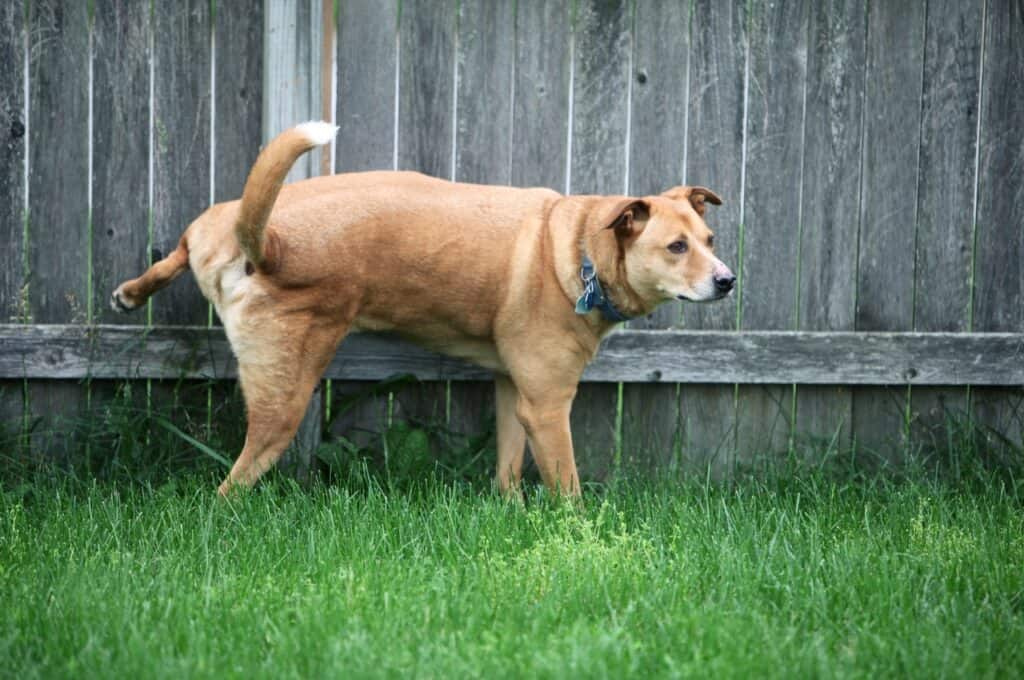
Pre-marking behaviors include intense sniffing around vertical surfaces, circling specific areas, and focusing attention on spots where other animals may have been. Male dogs typically lift their legs to deposit small amounts of urine, while females may squat and release minimal amounts.
Frequency patterns also distinguish marking from normal urination. Dogs who mark often do so multiple times during short periods, especially in high-stress situations or new environments. The amount is usually small—just enough to leave scent, not empty the bladder.
Understanding this distinction helps you respond appropriately. Regular accidents typically involve larger amounts of urine, occur when dogs can’t reach their usual bathroom spot, and don’t target specific vertical surfaces. Marking, conversely, involves small amounts, targets specific locations repeatedly, and often happens even when dogs have had recent bathroom access.

Successful marking intervention combines positive reinforcement training, environmental management, and consistent routine establishment. The key lies in addressing both the behavior itself and the underlying triggers that cause it.
Positive reinforcement training transforms marking behavior by redirecting your dog’s attention and rewarding appropriate elimination habits. When dogs learn that going outside to urinate earns praise, treats, and attention, they naturally gravitate toward this preferred behavior.
Building new associations through positive reinforcement helps dogs understand where and when elimination is appropriate. Instead of simply correcting unwanted behavior, this approach teaches dogs what you want them to do, creating lasting behavior change.
The process involves rewarding every successful outdoor bathroom trip with immediate praise and treats. Over time, dogs begin to seek out these positive experiences, reducing their inclination to mark indoors.
Environmental management creates conditions that naturally discourage marking while supporting appropriate behavior. Key strategies include:
Removing scent triggers by thoroughly cleaning previously marked areas with enzymatic cleaners that break down urine components completely. Regular household cleaners often leave residual scents that encourage repeat marking.
Creating structured routines helps reduce anxiety-driven marking by providing predictability. Regular feeding schedules, consistent bathroom breaks, and established daily routines help dogs feel more secure and less likely to mark from stress.
Managing access to previously marked areas during retraining allows you to supervise your dog more effectively while new habits form.
Professional dog trainers bring specialized expertise in behavior modification techniques that address marking behavior at its source. Rather than simply managing symptoms, experienced trainers identify the specific triggers driving your dog’s marking and develop customized intervention strategies.
Professional trainers assess the complete picture of your dog’s marking behavior, including environmental triggers, emotional states, and family dynamics that contribute to the problem. This comprehensive approach leads to more effective, lasting solutions.
Addressing complex behavioral issues like indoor marking often requires specialized knowledge beyond basic obedience training. Professional behavior modification focuses on understanding the underlying psychological triggers—whether territorial, anxiety-driven, or environmental—and creating targeted strategies to resolve them.
At Furever K9 Resort & Training Center in Leesburg, Lauren White applies a psychology-based approach to behavior modification that addresses marking behavior through understanding each dog’s unique triggers and motivations. Her balanced, relationship-based methods help dogs develop new behavioral patterns while strengthening the bond between dogs and their owners.
No two dogs mark for identical reasons, which is why effective training requires individualized approaches. Professional trainers evaluate factors like your dog’s age, sex, anxiety levels, territorial tendencies, and household dynamics to create targeted intervention plans.
Customized training protocols might include specific desensitization exercises for anxiety-triggered marking, structured routines for territorial dogs, or specialized positive reinforcement schedules based on your dog’s motivation patterns.
Owner education forms a crucial component of professional training, as successful behavior modification requires consistent implementation at home. Trainers teach families how to recognize early warning signs, respond appropriately to marking incidents, and maintain training progress long-term.
Effective cleaning and environmental modifications create conditions that naturally discourage repeat marking while supporting long-term behavior change. The goal is eliminating both the physical traces and psychological triggers that encourage dogs to mark the same locations repeatedly.
Enzymatic cleaners specifically designed for pet urine provide the most effective odor elimination. These products break down urine components at the molecular level, removing scents that encourage repeat marking. Regular household cleaners often mask odors temporarily but leave residual scents that dogs can still detect.
Proper cleaning technique matters as much as product choice. Clean marked areas thoroughly, allow enzymatic cleaners adequate contact time (usually 10–15 minutes), and avoid steam cleaning before enzymatic treatment, as heat can set protein-based stains permanently.
Strategic environmental changes reduce marking triggers while supporting appropriate elimination habits:
Anxiety-driven marking requires a dual approach that addresses both the emotional triggers causing stress and the marking behavior itself. Dogs who mark from anxiety need support managing their emotional state alongside behavior modification training.
Understanding your dog’s specific anxiety triggers allows for more targeted intervention:
Building your dog’s confidence and coping skills reduces anxiety-driven marking over time:
Dog owners in Loudoun County have access to specialized training services that address marking behavior through proven behavior modification techniques. Local training options provide convenient, expert support for families dealing with marking challenges.
Furever K9 Resort & Training Center offers comprehensive behavior modification services specifically designed to address marking and other challenging behaviors. Located at 20690 Gleedsville Road in Leesburg, the facility provides multiple training options tailored to different family needs and schedules.
Private lessons allow for intensive, one-on-one work with dogs exhibiting marking behavior. These sessions take place at the Furever K9 facility in Leesburg, and you leave with clear steps to practice at home, where marking usually happens.
Board and train programs offer intensive behavior modification for dogs with persistent marking issues. This option takes the training burden off busy families while establishing strong behavioral foundations that owners can maintain at home.
Day training provides a middle-ground option where dogs receive professional training during the day and return home each evening, allowing families to practice new skills while maintaining their daily routine.
Lauren White’s training approach focuses on psychology-based methods to understand the root causes of marking behavior rather than simply suppressing symptoms. This approach leads to more lasting behavior change and stronger relationships between dogs and their families.
The balanced, relationship-based methods used at Furever K9 help dogs learn what behaviors are expected while building confidence and reducing anxiety that often contributes to marking. Each dog receives a customized training plan based on their specific triggers and behavioral patterns.
All training programs include owner education, ensuring families understand how to maintain progress and prevent regression after formal training concludes.
Stopping indoor marking behavior requires patience, consistency, and understanding of your dog’s individual needs. By addressing both the underlying causes and the behavior itself, you can create a harmonious home environment where both you and your dog feel comfortable and stress-free.
The combination of positive reinforcement training, environmental management, and professional guidance provides the most effective path to eliminating marking behavior. Remember that lasting change takes time, but with the right approach, even persistent marking issues can be resolved.
If you’re struggling with marking behavior in your Loudoun County home, don’t let frustration overwhelm you. Professional help is available locally, and with expert guidance, you can transform your relationship with your dog while creating the peaceful home environment you deserve.
Contact Furever K9 Resort & Training Center at (571) 600-6530 to discuss how their behavior modification programs can help address your dog’s marking behavior and restore harmony to your home.
No. While intact male dogs are the most common culprits, neutered males, intact females, and spayed females can all exhibit marking behavior, especially if driven by anxiety or territorial instincts.
Desexing can significantly reduce marking behavior in many dogs, particularly if done early. However, if marking has become an ingrained habit or is driven by anxiety rather than hormones, the behavior may persist and require dedicated training to resolve.
If your dog suddenly starts urinating indoors, especially in small amounts, it’s crucial to consult a veterinarian first to rule out urinary tract infections or other medical conditions. If cleared medically, and the behavior targets vertical surfaces or new objects, it is likely marking.
No. Punishment—such as yelling or rubbing their nose in the spot—increases anxiety and can actually worsen the marking behavior. It also damages the trust between you and your dog. Instead, interrupt the behavior calmly if caught in the act and redirect them outside immediately.
No. Avoid using bleach or ammonia-based cleaners. Urine contains ammonia, so using these products can actually encourage your dog to mark the area again, as it smells similar to another dog’s scent marker. Always use an enzymatic cleaner formulated for pet urine.
Let Lauren know what you're struggling with!
She'll get in touch with you to discuss options!