
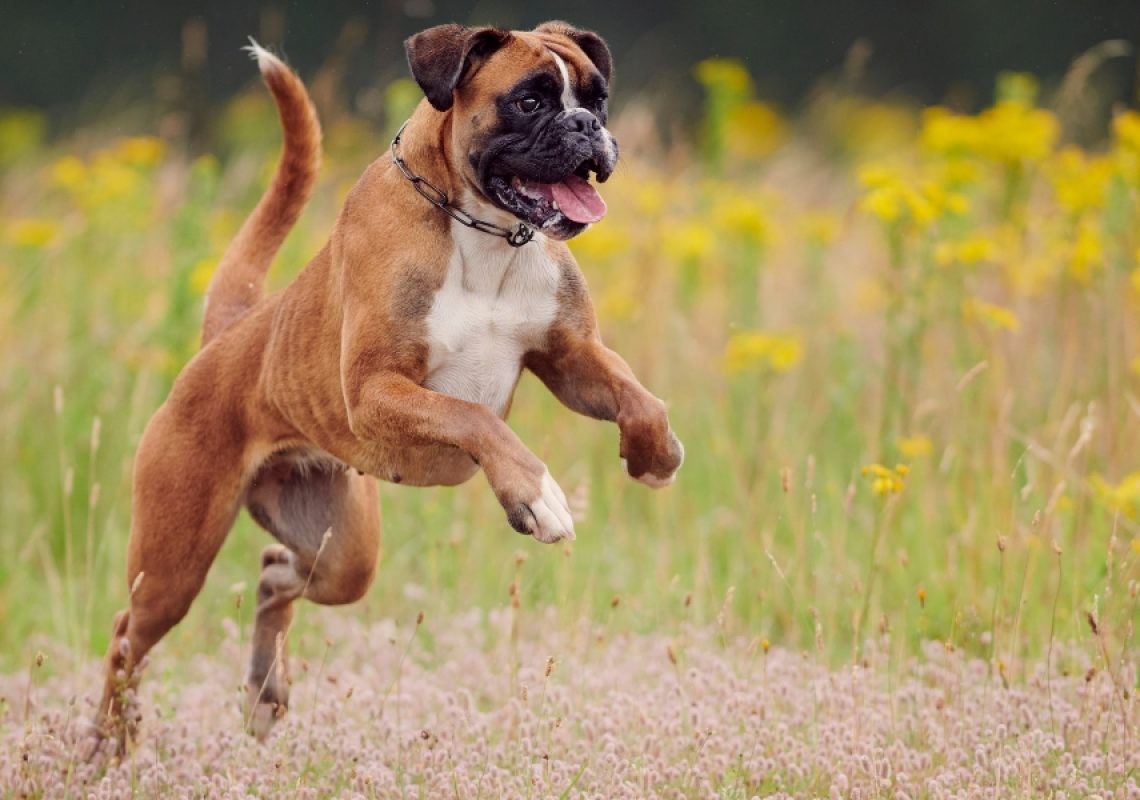
Your guests arrive at the door. Before you can even get a word out, your dog has launched themselves into the air, planting muddy paws on clean clothes and nearly knocking over your neighbor. You find yourself apologizing again, wrestling your dog backward, feeling embarrassed and entirely frustrated. You’ve tried yelling “no,” pushing them down, and kneeing their chest—but nothing seems to work. Some guests claim they “don’t mind,” while others visibly cringe, leaving you dreading the next time the doorbell rings.
Here is what desperate dog owners often misunderstand about jumping: Your dog isn’t being rude, dominant, or intentionally disrespectful. They are simply doing exactly what gets reinforced. Sometimes that reinforcement comes from you, and often it comes from well-meaning guests who think they’re helping by petting the dog when they jump. Until you change what actually reinforces the jumping and teach an incompatible behavior that gets rewarded instead, the jumping will continue.
I’m Lauren White, and at Furever K9 Resort & Training Center in Leesburg, Virginia, I help frustrated Loudoun County families stop their dogs’ jumping behavior. We don’t use punishment, force, or physical corrections that fail to address why the behavior happens in the first place. Instead, we use systematic training that makes calm greetings significantly more rewarding than jumping.
The transformation isn’t about making your dog fear jumping. It is about teaching them that keeping four paws on the floor earns exactly what they want—attention, interaction, and affection—while jumping earns absolutely nothing. This requires a level of consistency you’ve probably never maintained before, and guest cooperation you’ve probably never secured. But when applied correctly, it works.
Why Do Dogs Jump on People in the First Place?
Understanding the function of jumping helps you realize why most common “solutions” fail and what actually works instead.
What Reward Does Jumping Provide for Dogs?
Attention is the primary reward jumping provides, even when that attention is negative. When your dog jumps and you push them down, grab their paws, say “no,” or physically interact with them in any way, you have given them attention. From your dog’s perspective, jumping worked—it successfully captured your focus.
- Guest Reinforcement: Guest interaction reinforces jumping powerfully because different people respond differently. Even if you’re training consistently, one guest who pets your jumping dog can undo weeks of work. That single reinforcement teaches your dog that jumping sometimes works, creating a highly persistent behavior pattern.
- Physiological Arousal: Excitement creates physiological arousal that jumping helps discharge. Your dog’s heart rate spikes, adrenaline surges, and jumping provides a physical outlet for that intense energy. This is why simply telling them to “calm down” doesn’t work—your dog is in a biochemical state that is entirely incompatible with calm. Some dogs leak a little urine during greetings instead of jumping. That is a different problem, and here is how to handle submissive urination.
- Self-Rewarding Nature: The physical act of launching upward, achieving eye contact with humans, and experiencing that rush of excitement is inherently rewarding to a dog, regardless of the consequences.
- Lack of Alternatives: If they don’t know what else to do with their excitement besides jump, and you haven’t taught them a rewarding alternative, jumping remains their only strategy.
Why Don’t Corrections and Punishment Stop Jumping?
The American Veterinary Society of Animal Behavior (AVSAB) strongly recommends reward-based training methods over aversives, noting that punishment-based methods carry significant risks to animal welfare and the human-animal bond. When it comes to jumping, punishment fails for several specific reasons:
- Timing is usually wrong: By the time you react to jumping, your dog has already been rewarded by achieving contact with you or the guest. The delayed punishment doesn’t connect to the jumping behavior in your dog’s mind.
- .Corrections increase arousal: Pushing a jumping dog down, kneeing their chest, or grabbing their paws adds physical interaction that many dogs find stimulating rather than deterring.
- Inconsistency ruins the lesson: If jumping sometimes results in punishment but other times results in petting (when guests arrive who like dogs, or when you’re distracted), your dog learns to try jumping every time because it just might work.
- It doesn’t teach an alternative: Even if corrections successfully suppress jumping temporarily, your dog still doesn’t know what to do instead. They’re left without appropriate strategies for greeting people.
At Furever K9, our training programs use a balanced, relationship-based approach. We reward the behavior we want and give clear, fair guidance when a dog needs it, so dogs learn to trust and listen.
How Do You Actually Stop Jumping Behavior?
Effective solutions require changing what reinforces jumping and teaching incompatible behaviors that earn better rewards.
What Does “Incompatible Behavior” Mean?
Dogs cannot sit and jump simultaneously. Teaching your dog that sitting earns greetings while jumping earns nothing creates an incompatible behavior that effectively replaces jumping.
“Four on the floor” means all four paws must remain on the ground to receive attention. This clear criterion helps everyone in your household—and your guests—know the rule: paws up equals being ignored, paws down equals interaction.
This incompatible behavior must be explicitly taught and heavily rewarded. Do not assume your dog inherently knows that sitting earns attention. You must teach this association deliberately through hundreds of repetitions with gradually increasing distractions.

Step-by-Step Guide to Training Calm Greetings
- Start with low-arousal practice: Before attempting real greetings, have family members practice mock arrivals when your dog is already calm. Walk in the door, ignore any jumping completely, and reward “four paws on the floor” or sitting immediately.
- Use a precise marker: Use a specific marker (like a clicker or the word “yes”) the exact instant four paws hit the floor. Timing is critical. Mark the exact moment of correct behavior so your dog understands precisely what earned the reward.
- Reward every correct response initially: Don’t worry about “bribing”—you are teaching. Once your dog clearly understands the behavior, you will fade the treat frequency while maintaining the behavior through variable reinforcement.
- Gradually increase difficulty: Add arousal elements slowly. Practice with more excited entrances, add doorbell sounds, include people your dog finds more exciting, and finally work up to real guest arrivals.
- Build duration: Require longer durations of calm before rewarding. Start by rewarding an instant four-on-the-floor. Progress to requiring two seconds of sitting, then five, then ten.
Our Private Lessons teach you the exact timing, proper progression, and troubleshooting techniques for when this process breaks down.
What Works vs. What Fails
The Wrong Approach (Fails) | Why It Fails | The Right Approach (Works) | Why It Works |
Pushing the dog away | Provides the physical contact and attention the dog wanted | Turning your back / folding arms | Completely removes the desired reward (attention) |
Yelling “No!” or “Down!” | Sounds like you are barking/playing along; increases arousal | Staying completely silent | Lowers the energy level and provides no verbal reinforcement |
Kneeing the dog’s chest | Can cause injury; often interpreted as rough physical play | Stepping backward/away | Removes the target the dog is trying to jump against |
Letting guests pet them anyway | Teaches the dog that jumping works with certain people | Instructing guests to ignore the dog | Maintains absolute consistency across all humans |
What Role Do Guests Play in Training?
Guest cooperation is absolutely mandatory for success. One person petting your jumping dog can undo weeks of training by teaching your dog that jumping still works sometimes.
Pre-arrival instructions for guests must be clear. Text guests before they arrive: “We’re training Buddy not to jump. Please completely ignore him until he has four paws on the floor, then greet him calmly.” Do not apologize or ask if they mind—tell them this is the required protocol.
Guests must ignore jumping completely. No eye contact, no talking, no touching, no pushing away. They should turn away, fold their arms, and become entirely boring. The instant four paws hit the floor, they can warmly greet the dog. The stark contrast between being ignored during jumping and warmly greeted for four-on-the-floor teaches the lesson clearly.
When Should You Seek Professional Help?
Some jumping problems require expert intervention beyond basic owner training. If jumping persists despite weeks of consistent home training, you likely need professional guidance on technique, timing, or identifying what hidden factors are reinforcing the behavior.
Large dogs whose jumping endangers people—such as children or the elderly—need immediate professional protocols to ensure safety during training.
At Furever K9, our Board and Train programs teach calm greeting behavior in controlled environments with multiple daily practice opportunities, then transfer those skills to you through comprehensive handoff sessions. We evaluate your specific household to identify inconsistencies you might not recognize, demonstrating proper technique and exact timing.
Conclusion
Your dog’s jumping isn’t dominance or a lack of respect. It is a learned behavior maintained by reinforcement—often the very attention you’re giving without realizing it. The solution isn’t punishment or force; it is the systematic teaching of incompatible behaviors through positive reinforcement while removing all rewards for jumping.
Stopping jumping requires absolute consistency across all family members and guests. It requires teaching an alternative behavior that earns better rewards, patience while your dog learns new patterns, and management to prevent jumping practice during the training phase.
The transformation possible in even the most persistent jumpers still surprises owners. Dogs who have knocked people over for years can learn to sit calmly for greetings. At Furever K9, we specialize in this systematic approach because we’ve seen it work with the most enthusiastic jumpers.
Ready to stop apologizing for your dog’s jumping? Contact Furever K9 Resort & Training Center at (571) 600-6530 or visit us at 20690 Gleedsville Road, Leesburg, VA 20175. Let’s create a training plan that actually stops jumping instead of just temporarily suppressing it.
FAQs
Dogs jump more on people who have reinforced jumping in the past or those who trigger higher excitement, like children. If grandma always pets your jumping dog while you enforce rules, your dog learns jumping works with grandma. Absolute consistency from everyone is the only solution.
Initially, yes. Completely ignoring them until four paws are on the floor teaches the strongest lesson the fastest. Once calm greeting behavior becomes solid, you can greet them warmly immediately while still maintaining the four-on-the-floor requirement.
If your dog cannot respond to known commands during greetings, they are above their learning threshold and too aroused to process information. You must practice with lower-arousal situations first, gradually building up to real guest arrivals as they develop impulse control.
The principles are identical: teach that four-on-the-floor earns attention and jumping earns nothing. Puppies often learn faster because they haven’t practiced the behavior as long, but you must stop rewarding them just because “it’s cute when they’re little.”
You can’t. Accept that your dog will likely jump in environments where jumping is allowed, and use management tools like leashes in those locations. Focus your training entirely on your own home where you control the variables.