Clicker Training for Dogs
Author picture

Clicker Training for Dogs: What the Research Actually Says (and How to Do It Right)

Discover what peer-reviewed research says about clicker training for dogs. Learn the mechanics, common mistakes, and how to apply marker training effectively. FureverK9 Loudoun County. (571) 600-6530.

The Science of Clicker Training

  • The Reality of the Clicker: It is not a magic shortcut. It is a precise communication tool built on the psychological principle of conditioned reinforcement.
  • What the Research Says: Studies show clickers are no more effective than food alone for simple tasks, but they significantly outperform other methods when teaching complex, multi-step behaviors.
  • The Foundation Step: You must "charge the clicker" (teaching the dog that click equals treat) before asking for any behavior. Skipping this step guarantees confusion.
  • Timing is Everything: The clicker's main advantage over a verbal marker is consistency. Clicking late or clicking multiple times for one behavior destroys that precision.
  • Beyond Basic Tricks: When applied correctly, marker training is highly effective for addressing behavioral challenges like leash reactivity and anxiety by capturing brief moments of calm.
Search “mastering clicker training” and you will find no shortage of guides telling you it is the fastest, most magical way to train any dog. Most of them skip a critical step: they never mention that scientists have actually tested these claims, and the results are more interesting—and more useful—than the marketing suggests.
 
You have probably heard other dog owners rave about clicker training, or maybe you have picked up a clicker yourself only to have it sit in a drawer, unused and confusing. You are not doing anything wrong—clicker training has a learning curve, and without understanding the “why” behind the technique, it is easy to feel like you are just making random noises at your dog. The good news is that once the mechanics click, this method becomes one of the clearest ways to communicate with your dog.
 
Clicker training is not a trend or a gimmick, but it is also not the guaranteed shortcut some articles promise. This guide walks through what the research actually shows about its effectiveness, exactly how the mechanics work, and how to apply the technique to everything from basic obedience to real behavioral challenges.

What Is Clicker Training and How Does It Actually Work?

Clicker training is a positive reinforcement method that uses a small mechanical device to mark the exact moment a dog performs a desired behavior, followed immediately by a reward. The click itself does not reinforce anything—it is a signal, or “bridge,” that tells your dog precisely which action earned the treat that follows.
 
This technique is built on a psychological principle called conditioned reinforcement, first described by B.F. Skinner in his foundational research on operant learning. The clicker becomes a conditioned reinforcer through repeated pairing with food: click, then treat, click, then treat, until your dog understands that the sound always predicts something good is coming.
 

Why Does the Clicker Work Better Than Just Saying “Good Dog”?

The clicker’s main advantage is precision and consistency, not magic. Your voice changes with your mood, background noise can drown it out, and the tone or cadence of “good dog” varies from one repetition to the next. A clicker produces the exact same sound every single time, which removes ambiguity about what is being marked.
 
Timing matters enormously here. Dogs connect a reward with an action only when the marker happens within a fraction of a second of the behavior. A click can capture that instant far more reliably than fumbling for a treat, which is why trainers often describe the clicker as “freezing” the exact moment of success so your dog knows precisely what earned the reward.
 

What Does the Research Say About Clicker Training’s Effectiveness?

This is where it is worth being honest with you, because the science is more nuanced than many training articles suggest. A systematic review and meta-analysis published in the Journal of Applied Animal Welfare Science examined conditioned reinforcement across multiple species and found what researchers describe as a moderate overall effect, concluding that clicker-based training is genuinely effective at changing animal behavior, though the size of that benefit varies by species and task.
 
However, not every study shows a clear advantage over simply using food alone. Research published in the found that the clicker as a marker was no more effective than using food alone as a reinforcer for simple tasks . Similarly, research published in comparing clicker training, verbal marker training, and food-only reinforcement in naïve dogs learning a new behavior found no significant advantage for the clicker group in acquisition speed .
 
Where the clicker does appear to shine is with more complex, multi-step behaviors. The research found that while a clicker offered no advantage for simple tasks, it produced faster acquisition than food alone when dogs were learning more complicated behavior chains—suggesting the clicker’s real value emerges once you move beyond basic cues into more intricate training goals .
 
The takeaway for dog owners is that clicker training is a legitimate, evidence-supported tool, particularly valuable for complex behaviors and precise timing, but it is not inherently superior to well-timed verbal markers for every situation. What matters most is consistency and correct mechanics, not the tool itself.
 

Does the Type of Clicker You Use Actually Matter?

The specific device matters less than you might think. Any clicker that produces a sharp, consistent sound will work, since the goal is simply a signal your dog can distinguish clearly from background noise. Box clickers (the classic small plastic button) are the most common, while button clickers offer a quieter option for noise-sensitive dogs or apartment living.
 
If your dog seems startled by the sound, muffling the clicker in your pocket or hand for the first few sessions, or switching to a quieter button-style clicker, solves the problem faster than abandoning the method altogether. What matters far more than the specific device is your timing and consistency in using it.

When Should You Start Clicker Training Your Dog?

Clicker training can begin at almost any age, from young puppies to senior dogs learning new skills for the first time. There is no minimum age requirement, though the approach and expectations should adjust based on your dog’s developmental stage and prior training history.
 

Can You Clicker Train a Puppy?

Yes, puppies as young as eight weeks old can begin learning basic clicker associations. At this age, sessions should be extremely short (one to two minutes), low-distraction, and focused entirely on building the click-equals-treat association before introducing any actual behaviors.
 
Young puppies have limited attention spans, so the goal early on is not teaching commands—it is simply helping your puppy understand that the click sound reliably predicts a reward. Once that foundation is solid, usually after just a handful of short sessions, you can begin shaping simple behaviors like sitting or making eye contact.
 

Is It Too Late to Clicker Train an Adult or Senior Dog?

Not at all. Adult and senior dogs are often excellent clicker training candidates because they typically have longer attention spans and more impulse control than puppies. Dogs with an established training history sometimes need a brief adjustment period to understand the new marker, but most dogs pick up the click-treat association within the first few sessions regardless of age.
 
The main consideration for older dogs is physical comfort. Sessions involving movement-based behaviors should account for any mobility limitations, and shorter, more frequent sessions tend to work better than long ones as dogs age.

How Do You Start Clicker Training the Right Way?

Successful clicker training begins with “charging” the clicker—building the association between the sound and the reward—before you ever ask your dog to do anything. Skipping this foundational step is the most common reason clicker training feels confusing or ineffective for new users.
 

What Is “Charging the Clicker” and Why Does It Matter?

Charging the clicker simply means teaching your dog that click always equals treat, with zero expectations attached. You click, then immediately deliver a treat, repeated ten to fifteen times per short session, without asking your dog to do anything at all.
 
You will know the clicker is charged when your dog’s head snaps toward you or toward the treat pouch the instant they hear the click, even when they were not specifically working on a task. This response confirms the sound has become meaningfully associated with reward, and you are ready to start marking actual behaviors.
 

What Are the First Steps to Shaping a New Behavior?

Step
What Happens
Owner’s Role
1. Charge the clicker
Dog learns click = treat with no task attached.
Click, then treat, repeated 10-15 times.
2. Capture or lure
Dog offers or is guided into a small piece of the target behavior.
Click the exact instant the behavior occurs.
3. Shape by approximation
Reward gets closer to the full behavior over successive repetitions.
Raise criteria gradually; do not rush the process.
4. Add a cue word
Verbal or hand signal is introduced once behavior is reliable.
Say the cue just before the dog acts.
5. Fade the clicker
Real-world rewards replace the clicker for established behaviors.
Reduce click frequency, keeping occasional rewards.
Capturing involves clicking a behavior your dog offers naturally, such as sitting on their own, while luring uses a treat to guide your dog’s body into position. Both are valid starting points depending on the behavior you are teaching.
 
Shaping is where clicker training becomes especially powerful for complex behaviors. Instead of waiting for the complete, polished action, you click and reward small steps in the right direction, gradually raising your criteria until your dog performs the full behavior. This approach lets you build multi-step behaviors, like retrieving a specific item or performing a sequence of actions, that would be difficult to lure or capture directly.
 

How Do You Chain Multiple Behaviors Together?

Once your dog reliably performs individual behaviors, chaining links them into a single, fluid sequence, such as “go to your mat, lie down, and stay” performed as one continuous action rather than three separate commands. This is one of the areas where the research on complex behaviors becomes especially relevant, since chained behaviors are exactly the kind of multi-step task where a clicker’s precise timing tends to outperform food or praise alone.
 
Build a chain by teaching each behavior separately first, then linking them starting from the last behavior in the sequence and working backward. This “backward chaining” approach means your dog is always moving toward a behavior they already know well, which keeps sessions confident and reduces frustration as you add complexity.
 

What Common Mistakes Undermine Clicker Training Progress?

Most clicker training frustration comes from a handful of predictable, fixable errors rather than any flaw in the method itself. Recognizing these patterns early can save weeks of confusion for both you and your dog.

Which Timing and Mechanics Errors Cause the Most Problems?

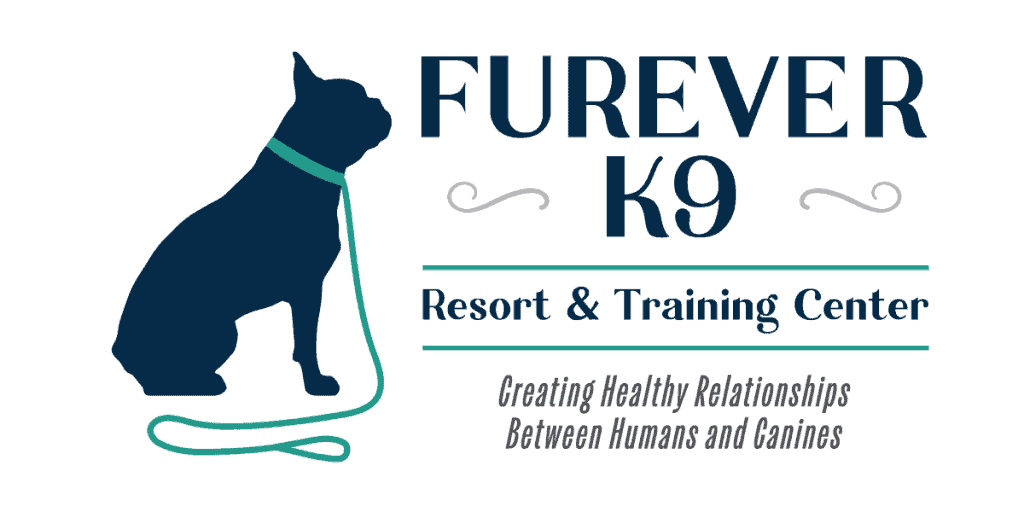
Clicking late is the single most common mistake. If you click even a second after the behavior ends, your dog may associate the reward with whatever they happened to be doing at that moment, such as looking away or standing up, rather than the behavior you intended to reinforce.
 
Clicking multiple times for one behavior muddies the signal. Each behavior should get exactly one click, immediately followed by one reward, so the connection between action and consequence stays clean.
Using the clicker without a treat following it breaks down the conditioned association over time. If your dog hears clicks that are not reliably followed by reward, the clicker gradually loses its meaning and effectiveness.
 

What Are Signs Your Dog Is Overwhelmed or Losing Interest?

When a dog is overwhelmed or disengaged, they will often walk away from training sessions, exhibit excessive lip licking or yawning, have difficulty focusing after just a few minutes, avoid eye contact with you, or take treats less enthusiastically than usual.
 
Conversely, engaged and ready signs look quite different. An engaged dog will offer behaviors without being asked, show a quick and eager response to the clicker sound, sustain eye contact and attention, and display tail wagging or relaxed body language throughout the session.
 
If you notice overwhelmed signs, shorten your sessions, lower your criteria temporarily, and end on an easy, successful repetition rather than pushing through frustration.
 

How Do You Use Clicker Training for Behavioral Challenges, Not Just Tricks?

Clicker training extends well beyond teaching sit and stay—it is a genuinely useful tool for addressing anxiety, reactivity, and other behavioral concerns when applied thoughtfully. The precision of the marker makes it especially valuable for capturing brief moments of calm or appropriate behavior that might otherwise be missed.
 

Can Clicker Training Help With Leash Reactivity or Anxiety?

Yes, though the application looks different than teaching a trick. For reactive dogs, the clicker can mark small moments of calm behavior around a trigger, such as noticing another dog from a distance without reacting, before that calm state has a chance to escalate into barking or lunging.
 
This requires working well below your dog’s reaction threshold and rewarding the absence of unwanted behavior just as precisely as you would reward a sit or down. Because timing is so critical in these situations, the clicker’s consistency becomes especially valuable compared to fumbling with treats alone while managing a stressed dog.
 

Should You Work With a Professional for Behavior-Focused Clicker Training?

For basic obedience, most owners can absolutely make progress on their own with patience and consistency. However, behavior modification for anxiety, reactivity, or aggression benefits significantly from professional guidance, since these cases require careful threshold management and individualized protocols that are difficult to design without training experience.
 
At FureverK9 Resort & Training Center, founder Lauren White built her approach around understanding the psychology behind a dog’s behavior, not just correcting the surface-level action. Her positive reinforcement methods, developed after years of hands-on experience and continued education, incorporate precise marker-based techniques to help dogs work through everything from basic manners to more complex behavioral challenges.
 

How Do You Choose the Right Training Approach for Your Dog?

The right training path depends on your dog’s specific needs, your available time, and whether you are working on basic skills or more complex behavioral issues. Clicker training is a technique that can be incorporated into nearly any structured training program, but how it is applied should match your goals.
 

What Training Programs Incorporate Marker-Based Methods?

FureverK9 offers several program types for dog owners throughout Loudoun County and Northern Virginia, each of which can incorporate precise, marker-based training depending on your dog’s needs:
Private lessons work well for owners who want to learn proper clicker mechanics alongside their dog, with sessions available at the FureverK9 facility or in-home throughout Loudoun County and parts of Fairfax County.
 
Board and Train programs are a strong option when a dog needs an intensive foundation built quickly, with FureverK9’s team establishing behaviors using positive reinforcement methods before transitioning the skills to the owner.
 
Day Training offers a middle path, with dogs receiving structured, marker-based sessions during the day and returning home each evening, followed by an owner lesson so you can maintain consistency.
 
Group classes provide an opportunity to practice reliable behaviors, many of which are built using shaping and marker techniques, around the real-world distractions of other dogs and people.
 

What Should You Expect When Starting Professional Training?

Every FureverK9 program begins with a questionnaire designed to understand your dog’s specific personality, history, and challenges, ensuring the training approach, whether it emphasizes clicker-based shaping or another positive reinforcement technique, is genuinely tailored rather than one-size-fits-all. You can learn more about Lauren White’s training philosophy and her approach to understanding dog behavior at its root.
 
Clicker training rewards patience more than perfection. The mechanics are simple: charge the clicker, mark the exact moment your dog gets it right, and follow through with a reward every time. But mastering the timing, recognizing when your dog is engaged versus overwhelmed, and applying the technique to real behavioral challenges takes practice and, often, some expert guidance along the way.
 
Whether you are working on your puppy’s first sit or trying to help an anxious dog stay calm on walks, clicker training offers a clear, consistent way to tell your dog exactly what is working. And if you find yourself stuck or want to see faster progress, you do not have to figure it out alone.
 
Contact FureverK9 Resort & Training Center at (571) 600-6530 to talk through a training plan built around your dog’s specific personality and goals, or visit the facility at 20690 Gleedsville Road in Leesburg to see how positive reinforcement training works in practice.

FAQs

No. Once a behavior is reliably established and put on a verbal or hand cue, you can fade out the clicker. You will replace the clicker with real-world rewards like praise, petting, or occasional treats. The clicker is primarily a teaching tool for acquiring new behaviors or refining complex ones.

Yes, verbal markers can be highly effective. The main advantage of a mechanical clicker is that it sounds exactly the same every time and is completely devoid of emotion, whereas your voice can vary in tone and pitch. For simple behaviors, a verbal marker is often sufficient; for complex shaping, a clicker provides superior precision.

If your dog is noise-sensitive, try muffling the clicker inside your pocket or behind your back for the first few sessions. You can also purchase a “button clicker,” which produces a much softer, quieter sound than a traditional box clicker. Alternatively, you can use a consistent verbal marker or a tongue click.

For most dogs, charging the clicker takes only a few short sessions of 10 to 15 repetitions each. You will know it is charged when your dog immediately looks to you or your treat pouch the instant they hear the sound, anticipating the reward.

Clicker training is an excellent tool for marking calm behavior in reactive or aggressive dogs, but it is just one component of a comprehensive behavior modification plan. Severe behavioral issues require careful threshold management and desensitization protocols, which should be designed and overseen by a professional trainer.

Share this Success Story!

I know I need help!!!

Let Lauren know what you're struggling with!
She'll get in touch with you to discuss options!